
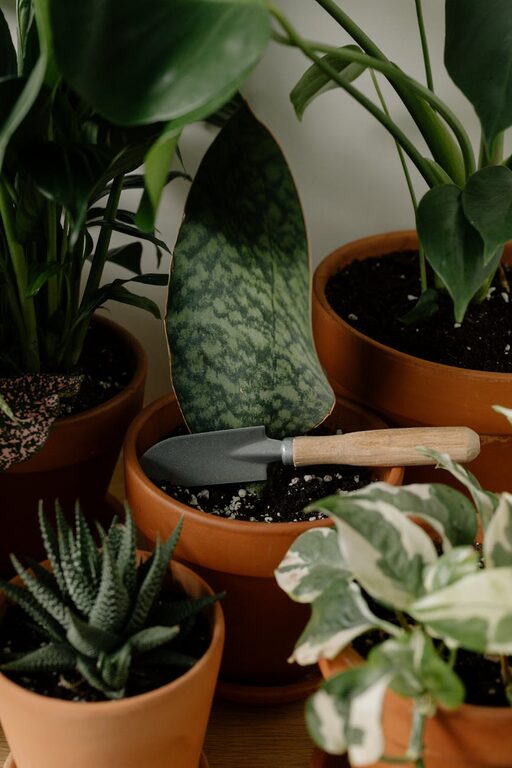
Indoor plants bring life, color, and freshness to any space. Caring for them properly helps them thrive, boosting your mood and improving air quality indoors. Whether you’re new to indoor gardening or looking to enhance your plant care routine, these simple tips will help your plants flourish year-round.
Understanding Your Indoor Plants’ Needs
Different plants have unique care requirements, but most indoor plants share basic needs: light, water, soil, temperature, and humidity. Understanding these factors helps you provide the right environment.
Light Requirements
Light is essential for photosynthesis. Most houseplants thrive in bright, indirect light. If your plant’s leaves look pale or it grows slowly, it may need more light. Conversely, scorched or brown leaf edges could mean too much direct sunlight.
– Place low-light plants like snake plants and pothos in shaded areas.
– Bright light lovers such as succulents and fiddle leaf figs do well near windows with filtered sunlight.
– Rotate plants every week to ensure even light exposure.
Watering Techniques
Overwatering is a common mistake that can harm indoor plants. The frequency and amount depend on the plant species, pot size, and environment.
– Check the soil before watering; it should be dry at least an inch deep for many plants.
– Use pots with drainage holes to prevent water accumulation.
– Water deeply but less often to encourage strong root systems.
– Adjust watering in winter, as many plants enter dormancy and need less water.
Soil and Fertilization
Good soil supports healthy roots by providing nutrients and proper drainage.
– Use a high-quality potting mix suited for indoor plants.
– Avoid garden soil, which can compact and hinder growth indoors.
– Fertilize plants during the growing season (spring and summer) with balanced, water-soluble fertilizer.
– Follow the recommended dosage to avoid fertilizer burn.
Maintaining Optimal Temperature and Humidity
Indoor plants generally prefer stable temperatures and adequate humidity to thrive.
– Keep plants away from drafts, heaters, and air conditioners.
– Most tropical plants enjoy temperatures between 65-75°F (18-24°C).
– Increase humidity with a humidifier, pebble trays with water, or grouping plants together.
– Regular misting can help, particularly in dry climates or heated homes.
Pruning, Cleaning, and Repotting
Caring for your plants also includes grooming and space management.
Pruning
– Remove dead or yellowing leaves to redirect energy to healthy growth.
– Pinch back leggy stems to encourage bushier plants.
– Use clean, sharp scissors or pruning shears to avoid infection.
Cleaning
– Dust can block light absorption. Wipe leaves gently with a damp cloth every few weeks.
– For plants with tiny leaves, a soft brush works well.
– Cleaning also helps prevent pests.
Repotting
– Repot plants every 1-2 years or when roots outgrow the pot.
– Choose a pot 1-2 inches larger in diameter than the current one.
– Refresh soil during repotting to provide new nutrients.
– Be gentle with roots to avoid damage.
Monitoring and Preventing Pests
Indoor plants can attract pests like spider mites, aphids, and mealybugs.
– Inspect plants regularly, especially under leaves.
– Use insecticidal soap or neem oil for treatment.
– Isolate new plants until you are sure they are pest-free.
– Encourage natural predators like ladybugs if feasible.
Seasonal Adjustments for Year-Round Care
Indoor plant needs can change with seasons.
– In winter, reduce watering and avoid cold drafts.
– Increase light exposure by moving plants closer to windows or using grow lights.
– During summer, watch for faster drying soil and adjust watering.
– Rotate plants regularly to prevent one-sided growth.
Creating a Consistent Care Routine
Consistency is key to healthy plants.
– Set reminders for watering, fertilizing, and cleaning.
– Keep a journal or app to track your plants’ progress and needs.
– Observe changes over time to adjust care as needed.
Final Thoughts
Caring for indoor plants can be a joyful and rewarding hobby. Simple attention to their light, water, soil, humidity, and grooming needs will keep your green companions healthy and thriving all year. With a bit of practice and patience, you’ll create a lush indoor garden that brightens your home and lifts your spirits every day. Happy planting!