
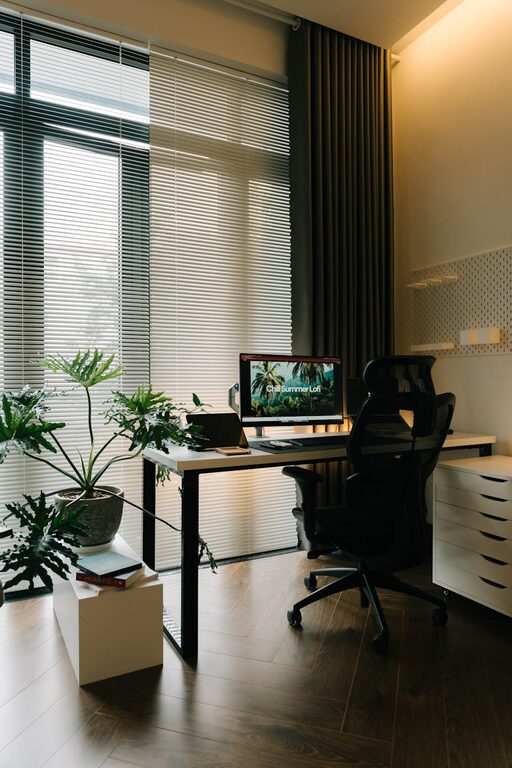
Creating a relaxing home workspace is more important than ever. As many people continue to work from home, having a comfortable, organized, and peaceful area to focus can significantly improve productivity and overall well-being. A thoughtfully designed workspace not only helps reduce stress but also makes it easier to separate work life from personal life.
In this post, we will explore practical tips to help you create a calming home workspace that encourages concentration and efficiency without compromising comfort.
Why a Relaxing Workspace Matters
Before diving into tips, it’s helpful to understand why a relaxing workspace matters. Your environment plays a crucial role in your mindset and productivity levels. Clutter, noise, and poor lighting can lead to distractions and burnout, while a clean, comfortable area promotes creativity and focus.
By investing time into organizing and decorating your workspace, you make it easier to stay motivated and complete tasks efficiently.
Choosing the Right Location
Find a Quiet Spot
Select a part of your home that is relatively quiet and free from frequent interruptions. This may be a spare bedroom, a corner of the living room, or a section of your kitchen. The key is to have a consistent spot where you can work without distractions.
Maximize Natural Light
Natural light improves mood and alertness. Position your desk near a window if possible. If natural light is limited, consider warm artificial lighting that mimics daylight to keep energy levels up.
Furniture and Ergonomics
Invest in a Comfortable Chair
An ergonomic chair supports your back and posture, reducing discomfort during long work hours. Look for adjustable chairs with lumbar support for the best fit.
Choose a Suitable Desk
Select a desk that fits your space and work needs. It should have enough surface area to hold your computer, documents, and any other essentials without feeling cramped.
Consider Standing Options
If possible, incorporate a standing desk or adjustable desk converter. Changing positions throughout the day can reduce fatigue and enhance focus.
Organizing Your Workspace
Declutter Regularly
Keep only the essentials on your desk. A clutter-free area reduces distractions and creates a sense of calm.
Use Storage Solutions
Invest in organizers like trays, drawers, and shelves to keep supplies neat and within reach. This also helps maintain a tidy appearance.
Cable Management
Tidy up cables with clips, sleeves, or boxes. A mess of wires can be visually distracting and stressful.
Personalizing Your Space
Add Greenery
Plants improve air quality and add a touch of nature, which can be soothing to the mind. Choose low-maintenance indoor plants like succulents or pothos.
Incorporate Calming Colors
Soft, neutral colors such as light blue, green, or beige promote relaxation. Use these tones in your wall paint, decor, or desk accessories.
Display Meaningful Items
Include a few personal items that inspire you, such as photos, artwork, or motivational quotes, but avoid overcrowding the space.
Managing Noise and Distractions
Use Noise-Canceling Headphones
If noise is an issue, headphones can help block out background sounds and improve focus.
Play Soft Background Music
Some people find that soft instrumental music or ambient sounds aid concentration. Experiment to see what works best for you.
Set Boundaries
Communicate your work hours and space boundaries to family members or roommates to minimize interruptions.
Lighting and Screen Comfort
Optimize Lighting
Avoid harsh overhead lighting or glare on your computer screen. Use desk lamps with adjustable brightness to create an optimal visual environment.
Position Your Screen Properly
Place your monitor at eye level and about an arm’s length away. This reduces neck strain and eye fatigue.
Take Breaks to Rest Your Eyes
Follow the 20-20-20 rule: Every 20 minutes, look at something 20 feet away for at least 20 seconds to reduce eye strain.
Incorporate Relaxation Techniques
Use Aromatherapy
Scents like lavender or eucalyptus can create a calming atmosphere. Consider using essential oil diffusers or scented candles safely.
Keep a Small Relaxation Corner
If space allows, have a comfortable chair or cushion nearby to take short breaks for stretching, reading, or mindfulness.
Practice Regular Breaks
Step away from your desk periodically to enhance circulation and mental clarity. Short breaks can boost overall productivity.
Maintain Your Workspace Routine
Daily Tidying
Spend a few minutes at the end of each day clearing your workspace to start fresh the next morning.
Update and Refresh
Periodically reassess your space, removing items that are no longer useful and refreshing decor to keep the environment inspiring.
—
Creating a relaxing home workspace requires a balance of comfort, organization, and personal touches. With these tips, you can design an area that not only supports productivity but also feels inviting and calm. This approach helps maintain focus, reduce stress, and make working from home a more enjoyable experience.